The roles of technology, data, and systems are rapidly transforming, leading to democratization in data and development within organizations. This shift introduces Data Products and Citizen Developers and Analysts, empowering individuals without IT backgrounds to create and analyze data-driven solutions. A collaborative approach called Fusion Development maximizes these roles, breaking silos and encouraging shared problem-solving. These trends can potentially reshape the digital world across various sectors and industries.
How we interact with technology, data, and systems is transforming significantly. Traditional boundaries that define roles and responsibilities are blurring, leading to new opportunities and challenges. One of the most fantastic opportunities is democratizing data and development within organizations. The ability to translate something you imagine into a computer program or data visualization is no longer limited to people with computer programming backgrounds and the education and training that go with them.
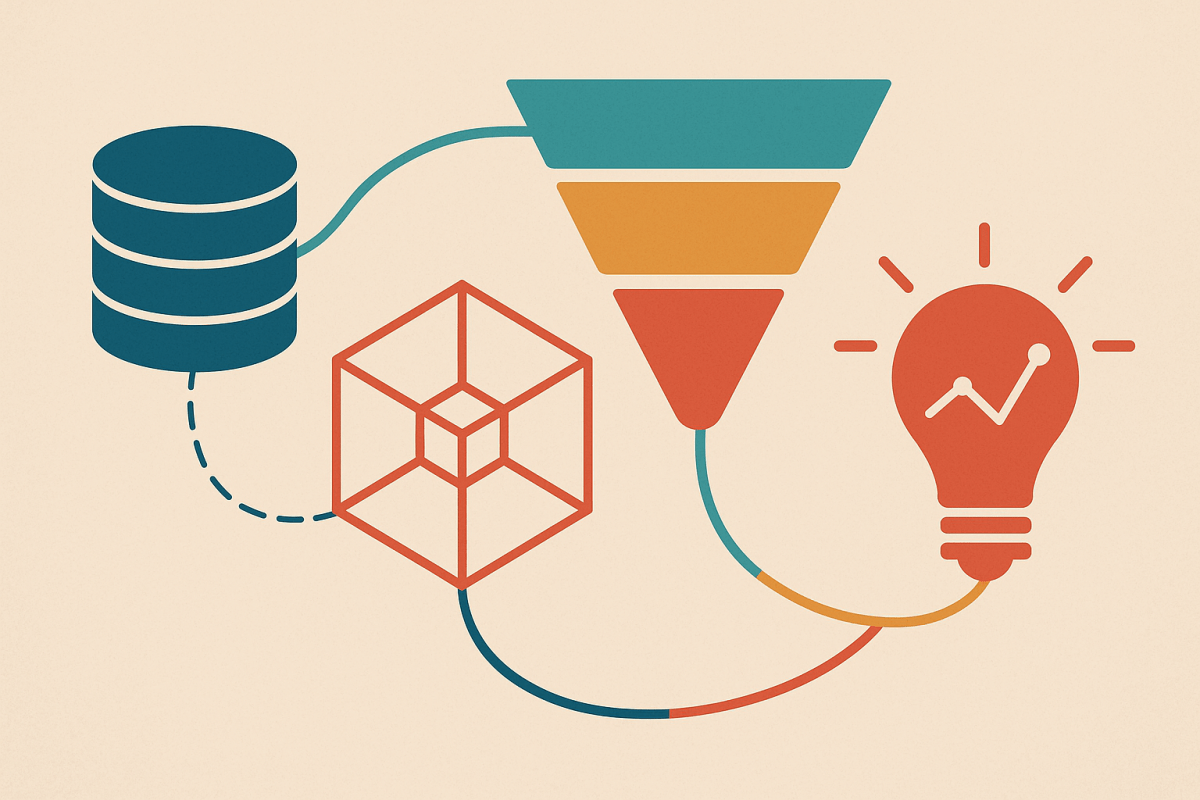
Data Products are tools that transform intricate data into intelligible and actionable insights. They process and render data into a more palatable format, thereby bestowing individuals — regardless of their technical acumen — with the power to make data-driven decisions. By presenting data in a user-friendly manner, data products serve as bridges that connect raw data to meaningful insights. They democratize data, making it accessible not just to data aficionados and specialists but to everyone, fostering a culture where data-driven insights become the cornerstone of decision-making processes.
Citizen Developers are individuals who, despite lacking formal IT backgrounds, take the initiative to create applications or solutions tailored to address specific needs. Propelled by the advent of user-friendly platforms, like Microsoft Power Platform, these professionals venture into realms traditionally reserved for programmers, democratizing the software development process. They translate ideas into functional solutions, bridging gaps and fostering innovation without being encumbered by the intricacies associated with traditional software development. Their endeavors often reflect a pragmatic understanding of the problem, coupled with creatively utilizing available resources to devise solutions.
Similarly, Citizen Data Analysts are individuals from diverse professional backgrounds who leverage data products to interpret and analyze data, amalgamating their domain knowledge with analytical tools to extract meaningful insights. Unlike traditional data scientists, who specialize in statistics, data processing, and analysis, Citizen Data Analysts bring their professional background and experience to analyze data in any role. By harnessing the power of data products, they can transcend the technical barriers that often surround data analytics, delving into data-driven inquiry to uncover actionable insights that can inform decision-making within their respective domains.
The essence of Citizen Developers and Citizen Data Analysts lies in their ability to lower the barriers to entry in software creation and analytics, empowering a broader spectrum of individuals to contribute to the digital solutions landscape. This ability, in turn, accelerates problem-solving and cultivates a more inclusive and innovative development ecosystem. Through their efforts, professionals not only contribute to the rapid prototyping and deployment of solutions but also to the broader digital transformation narrative, reshaping how organizations approach software development, analytics, and problem-solving.
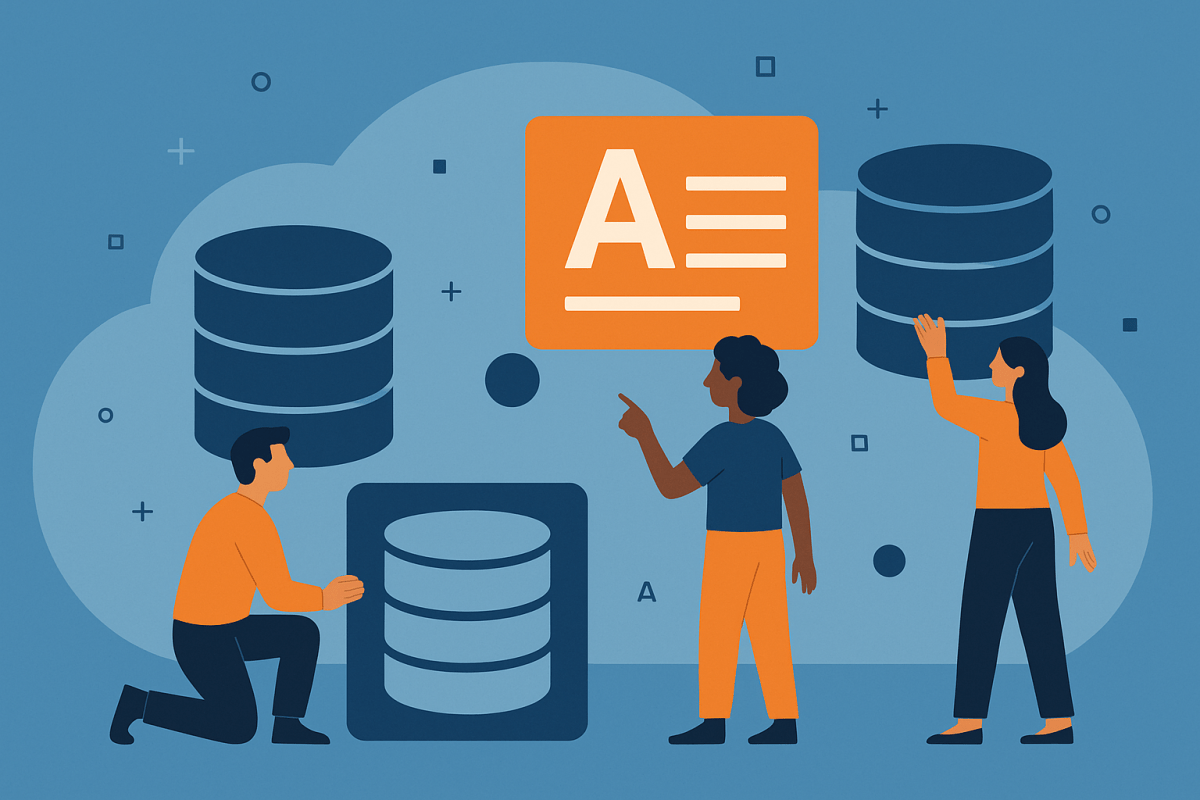
Fusion Development encapsulates a collaborative approach where professional developers, citizen developers, and citizen data analysts converge to collaborate on projects. By combining the technical prowess of trained developers with the practical insights and domain expertise of citizen contributors, fusion development aims to cultivate solutions that are both technically robust and practically relevant. This collaborative ethos enables a richer understanding of problem domains and fosters a more inclusive, innovative environment for solution creation.
In the fusion development paradigm, synthesizing diverse skill sets and perspectives engenders a more holistic approach to problem-solving. Professional developers bring their technical acumen, coding skills, and understanding of software development lifecycles. In contrast, citizen contributors, with their understanding of end-user needs and domain-specific challenges, contribute practical insights that ensure the development of solutions tailored to real-world needs.
The beauty of fusion development lies in its ability to break down the traditional silos that often exist within organizations between technical and non-technical personnel. It fosters a culture of collective problem-solving and shared ownership of projects, thereby accelerating the pace of innovation and ensuring that solutions are both technically sound and user-focused. Through this cross-functional lens, fusion development not only augments the quality and relevance of digital solutions but also cultivates a more inclusive, dynamic environment for technological innovation, ensuring that the digital solutions produced are well-aligned with user needs and organizational goals.
Over the next four weeks, we will look at these ideas in depth in the context of an elementary school and how various citizen developers and data analysts can increase their productivity and impact. While the series uses an elementary school as a backdrop to illustrate these concepts, the lessons, and principles are applicable across various sectors and industries. The goal is to provide readers with a clear understanding of how these trends are reshaping the digital world and the potential they hold for organizations and individuals alike.

 EduDataSci - Educating the world about data and leadership