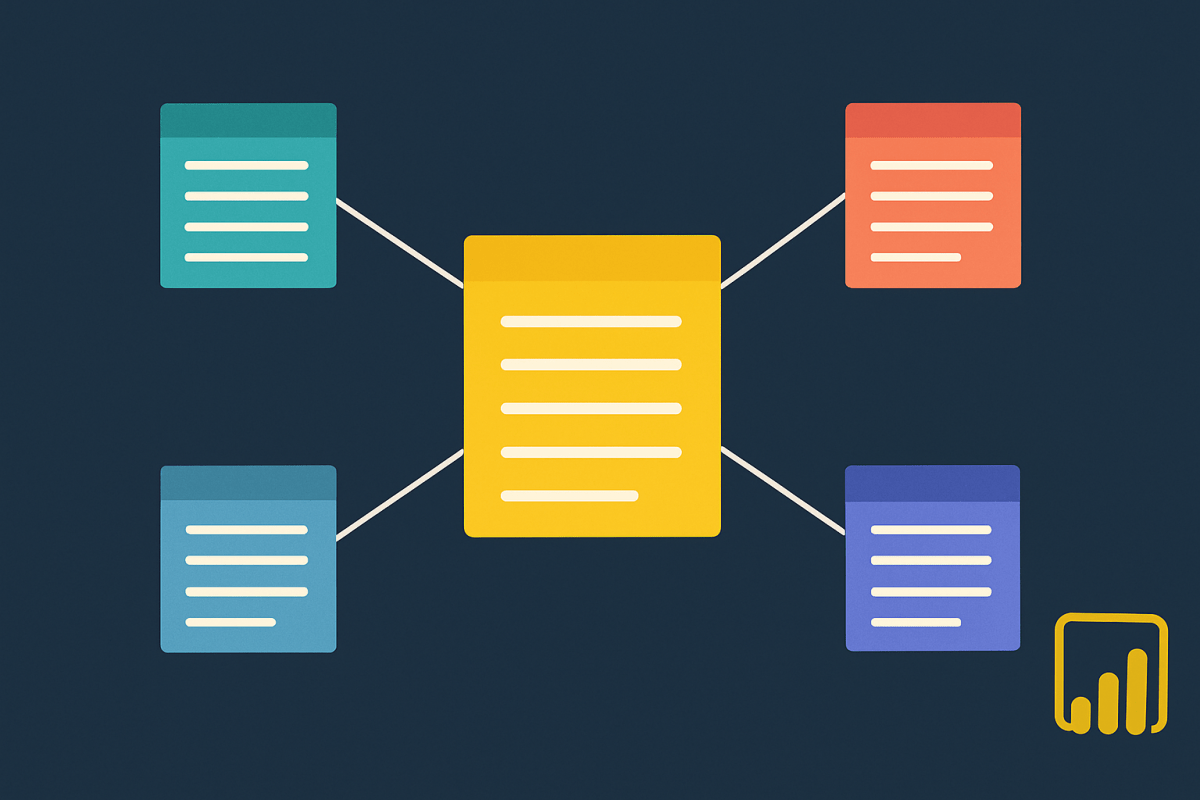
Power BI rewards clean dimensional models—but it also punishes sloppy ones. This post walks through how to implement star and galaxy schemas in Power BI semantic models, why ambiguous (multiple) filter paths cause headaches, why implicit measures don’t scale beyond the simplest star, and how tightly defined data products keep your BI ecosystem fast, correct, and governable. Because this is such an important topic, I’ve included links to references with each point.
Continue reading “Implementing Stars and Galaxies in Power BI”Tag: Fabric
Data Products in Fabric, Part 3: Why Fabric Is Ideal, What to Expose, and How to Govern (with zero‑copy patterns)

In Parts 1–2, we framed a data product as a reusable, self‑contained package that bundles data, metadata, access methods, and governance to deliver an outcome—discoverable, interoperable, and managed like software. We also separated foundational (stable, domain‑anchored) from derived (composed/enriched for specific use‑cases) and showed how composition is the workhorse of value delivery.
This third part makes that guidance concrete on Microsoft Fabric: why Fabric is a natural home for data products, which product types you can expose, and how to govern and compose them—including zero‑copy patterns and two near‑term preview capabilities: Materialized Lake Views and Shortcut Transformations.
Continue reading “Data Products in Fabric, Part 3: Why Fabric Is Ideal, What to Expose, and How to Govern (with zero‑copy patterns)”Secure at the Boundary: RBAC, Aggregator Groups, RLS—and what OneSecurity changes
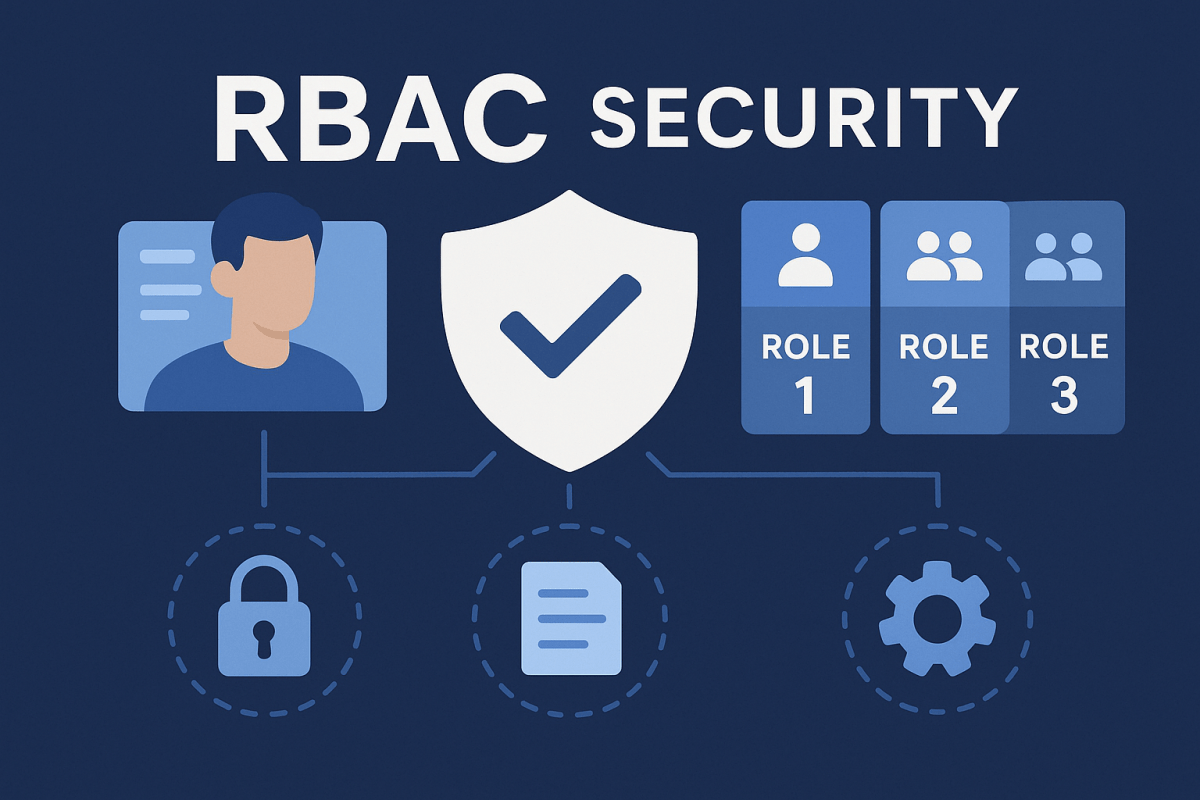
Despite the different semantics, Microsoft Fabric actually uses the same principles as folder security. Fabric makes the security boundary explicit (the workspace) though, which actually makes role design easier, and lighter‑weight, than old folder ACLs.
Continue reading “Secure at the Boundary: RBAC, Aggregator Groups, RLS—and what OneSecurity changes” EduDataSci - Educating the world about data and leadership