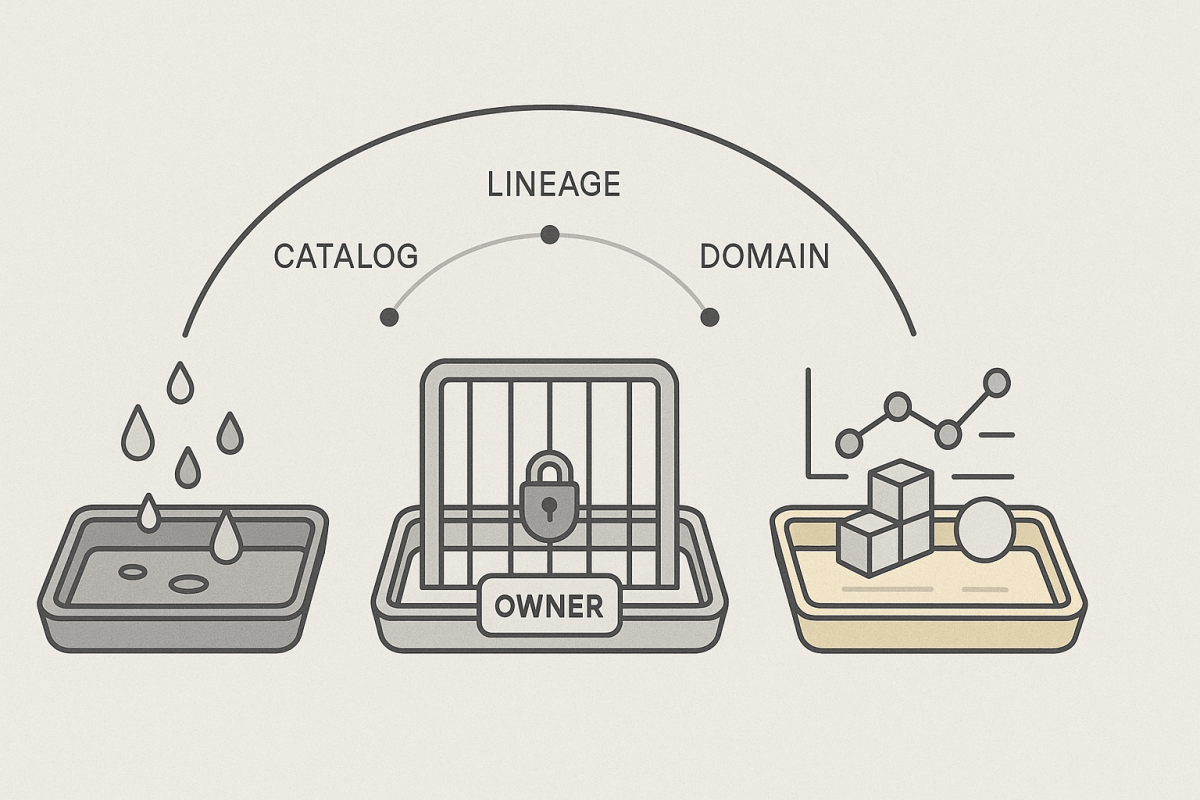
Schema changes have always been risky because a schema isn’t just columns—it’s the interface between data producers and data consumers. Historically, that interface was rigid, which made any change expensive. Modern lakehouse design solves the problem structurally: a Medallion architecture separates where variation is tolerated (Bronze) from where commitment is made (Silver) and relied upon (Gold). In Microsoft Fabric, those roles map cleanly to Lakehouse, Warehouse, and Power BI’s semantic layer, with governance and domain‑oriented (data‑product) design tying it all together. By the end, you’ll see why schema evolution is both inevitable and manageable—and how Fabric builds that manageability into the platform.
Continue reading “Making Schema Change Boring: A Short History—and How Microsoft Fabric’s Medallion Lakehouse Bakes It In”Tag: Architecture
Baselines Over Buzzwords: From Warehouse to Lakehouse
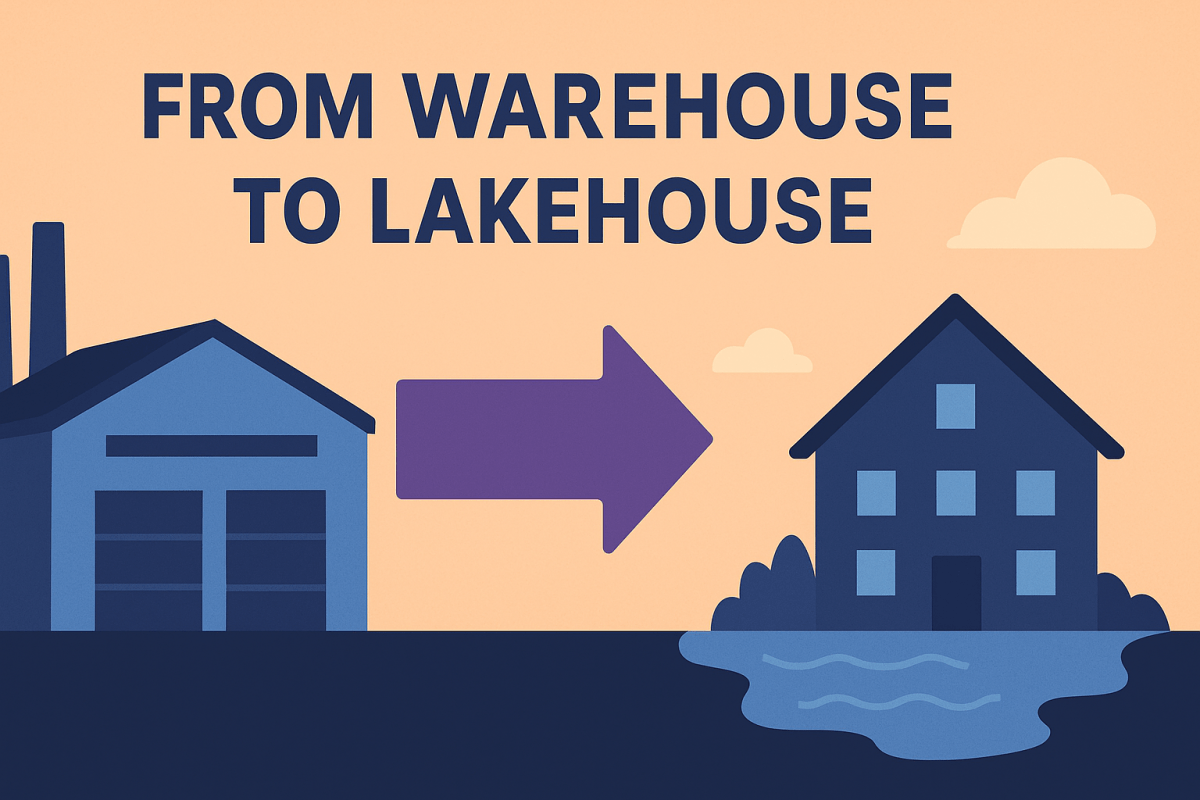
If you’ve built data systems long enough, you’ve lived through at least three architectural moods: the tidy certainty of Kimball and Inmon, the anarchic freedom of “throw everything in the data lake to ingest quickly,” and today’s lakehouse, which tries to keep our speed without losing our sanity. I’ve always cared less about labels and more about baselines—clear, durable expectations that make change safe. This piece traces how those baselines shifted, what we gained and lost, and how to rebuild them for modern work, including real‑time, very large, and unstructured data.
Continue reading “Baselines Over Buzzwords: From Warehouse to Lakehouse” EduDataSci - Educating the world about data and leadership