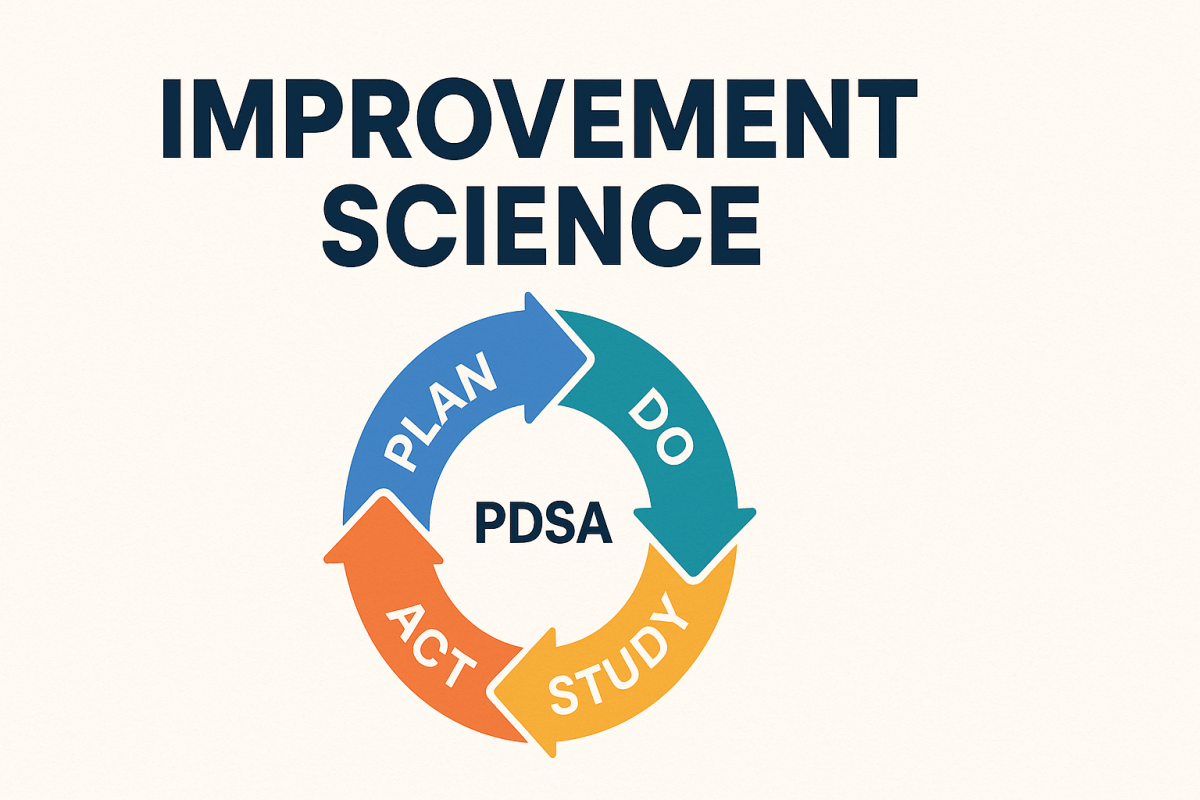
Most executives know Lean, Six Sigma, and Agile. Improvement science is the disciplined backbone behind those methods—a way to get measurable gains by learning quickly in the real world, not just in the boardroom. It’s been refined for decades in healthcare and education, but its core ideas translate cleanly to sales, operations, CX, finance, HR, and product. Here’s what it is—and how to start using it immediately.
Continue reading “Improvement Science for Business Leaders: A Practical Playbook for Better, Faster Results”“Zero Copy” Doesn’t Mean “No Copies.” It Means “No Unmanaged Copies.”

The rallying cry of modern data platforms—Zero Copy—is revolutionary because it flips the default: don’t move data unless there’s a good reason and the platform manages it for you. In Microsoft Fabric, that starts with in-place access via OneLake Shortcuts and an open storage layer, then selectively uses managed and automated copies (like Mirroring and Materialized Lake Views) when they deliver clear value. The result is less sprawl, more trust, and faster analytics—without hand-built duplication.
Continue reading ““Zero Copy” Doesn’t Mean “No Copies.” It Means “No Unmanaged Copies.””A Lightweight Ingestion Framework in Microsoft Fabric

Modern Fabric estates don’t need a forest of bespoke pipelines, but they do need metadata-driven tools to reduce time to insight. You can land data quickly in Bronze, promote it reliably to Silver and Gold with a metadata‑driven Spark Structured Streaming engine, and treat Gold as the foundation for your data products—semantic models, AI endpoints, and any other served formats.
Continue reading “A Lightweight Ingestion Framework in Microsoft Fabric”How AI Can Help High‑School Football Between Friday Night and Saturday Morning

The lights go out, the sideline file finishes uploading, and the play list—your record of the plays actually called—lands in the same folder. While everyone sleeps, AI could take those two inputs (plus your existing playbook in the system) and quietly do the digital chores, so Saturday starts with coaching, not clicking.
Continue reading “How AI Can Help High‑School Football Between Friday Night and Saturday Morning”Managing Data Platform Projects the Agile Way—and Hitting Your Milestones
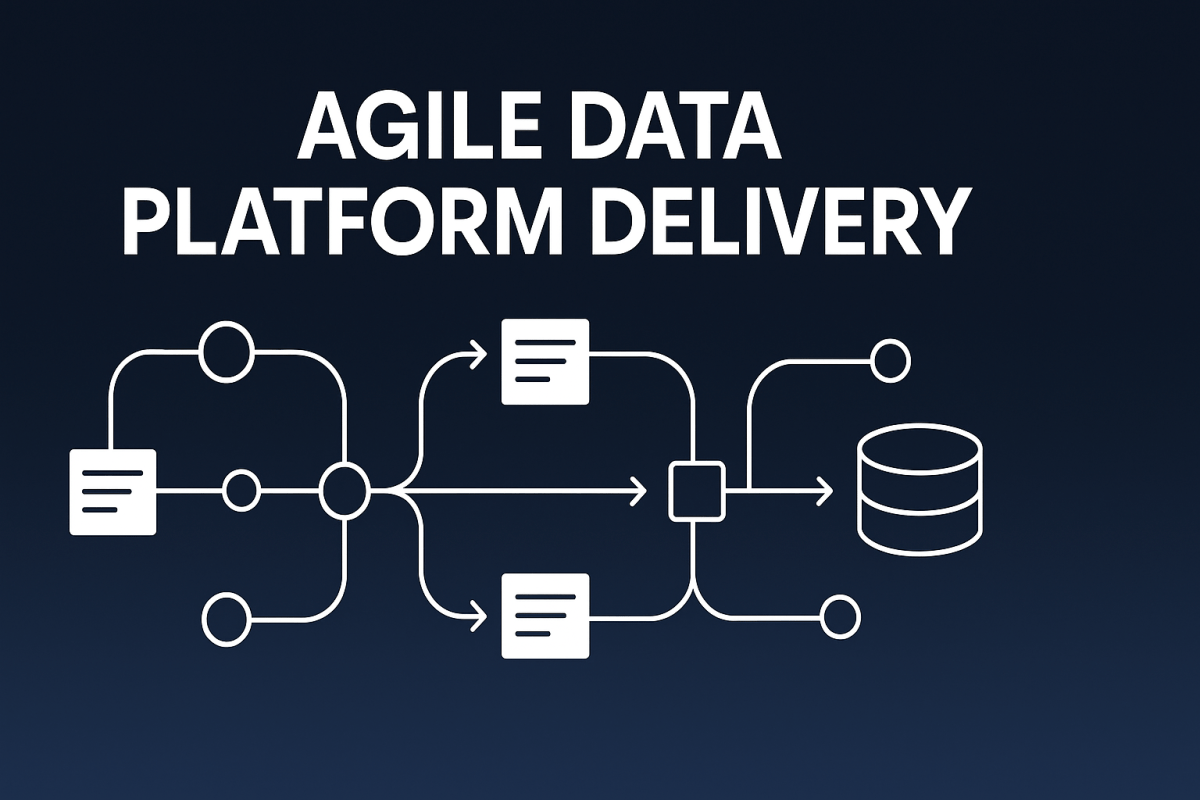
One of the things I’ve been thinking about lately a lot is how you formalize the type of project management that is necessary in data platforms, and what you need to do differently compared to software development projects. I brought in a collaborator, one of the best customer success managers I know, to talk about how to do this correctly.
Agile absolutely works for data platform projects, but you need a lightweight way to lock in critical choices without slowing teams down. Architectural Decision Records (ADRs) provide that spine: they capture why you chose a direction, what you rejected, and the consequences—so you can move fast and keep delivery predictable. Combine ADRs with vertical slices, data contracts, quality gates, and observable pipelines, and you can ship in short cycles while meeting real dates.
Continue reading “Managing Data Platform Projects the Agile Way—and Hitting Your Milestones”Secure at the Boundary: RBAC, Aggregator Groups, RLS—and what OneSecurity changes
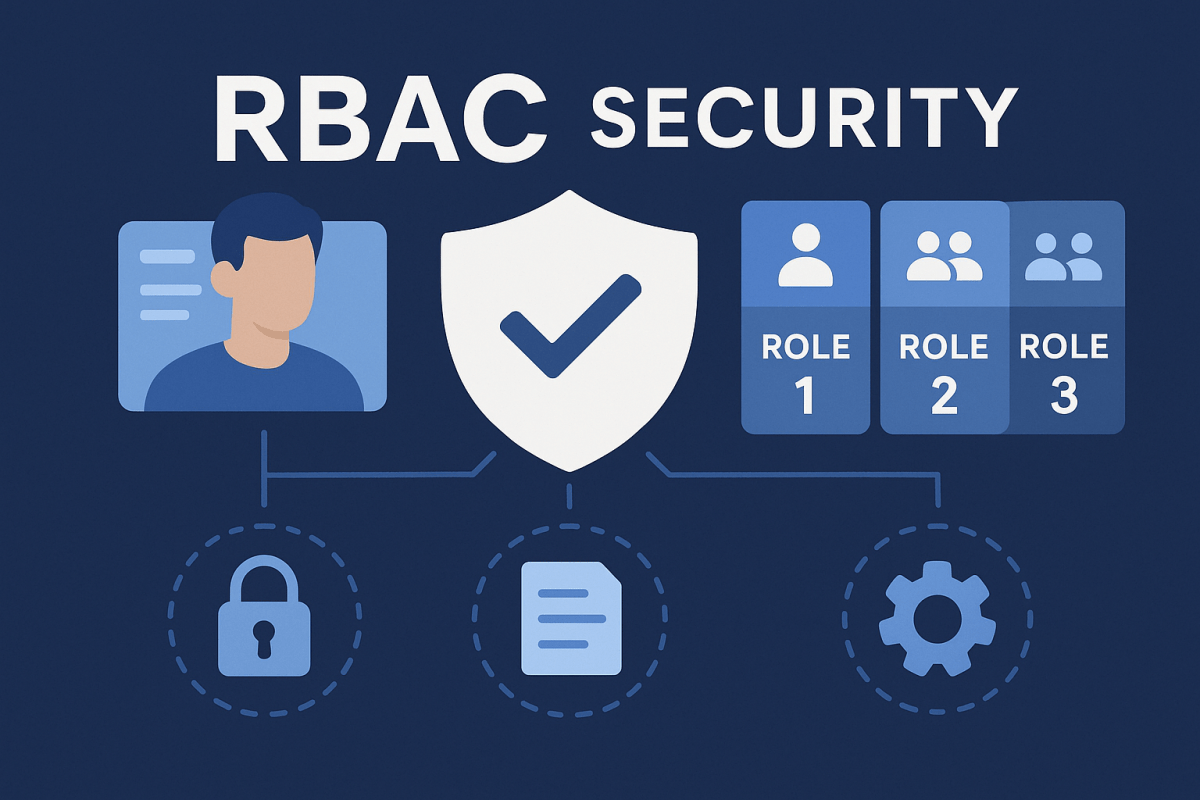
Despite the different semantics, Microsoft Fabric actually uses the same principles as folder security. Fabric makes the security boundary explicit (the workspace) though, which actually makes role design easier, and lighter‑weight, than old folder ACLs.
Continue reading “Secure at the Boundary: RBAC, Aggregator Groups, RLS—and what OneSecurity changes”Foundational and Derived Data Products: Practical Guidance for Architects and Data Leaders

As we discussed previously, a data product is a reusable, self‑contained package that bundles data, metadata, access methods, and governance to deliver a clear outcome to users or other systems. Treating data as a product implies product management disciplines (contracts, SLOs, versioning, observability) and an emphasis on discoverability, interoperability, and security.
Within modern mesh-aligned architectures, data products must be interoperable and composable so they join predictably and can be assembled into higher‑order solutions. This is a first‑principles characteristic, not a nice‑to‑have.
Continue reading “Foundational and Derived Data Products: Practical Guidance for Architects and Data Leaders”Data Products Demystified: What They Are and Why They Matter

Data products are becoming a hot topic across industries, from classrooms to oil fields to trading floors. Yet the term “data product” can be confusing, conjuring images of complex databases or black-box AI. This blog post aims to clarify what a data product actually is in straightforward terms, and why it’s important for both technical and non-technical professionals. We’ll explore how data products turn raw data into useful tools, how they benefit organizations, and how they differ from other data concepts. Along the way, we’ll look at a couple examples to make the ideas concrete.
Continue reading “Data Products Demystified: What They Are and Why They Matter”From Medallion to Mesh: How Unity Catalog Transforms Data Strategy
I wrote up some thoughts on how Databricks’ Unity Catalog Views change the way we should be thinking about lakehouses, and bout how they enable data mesh architectures on the Neudesic Innovation channel on Medium
https://medium.com/neudesic-innovation/from-medallion-to-mesh-how-unity-catalog-transforms-data-strategy-0b092a8e5941
Fusion Development 5 – Conclusion
In sectors ranging from education to healthcare, finance to e-commerce, the digital revolution is reshaping how organizations operate. As illustrated by Maple Elementary School’s tech-driven metamorphosis, frontline professionals can leverage technology in ways previously deemed the exclusive domain of IT specialists. However, this paradigm shift necessitates a deeper evolution within the IT and Analytics teams, who now bear the dual responsibility of fostering innovation while ensuring the sanctity of data, especially sensitive information like student details.
1. Embracing a Collaborative Mindset:
Old Approach: IT departments, whether in schools or corporations, often functioned in silos, creating a disconnect between solution developers and end-users.
The Shift: Foster a culture of collaboration. Open channels of communication ensure that IT solutions resonate with real-world needs and are adaptable across sectors.
2. Democratization over Gatekeeping:
Old Fear: The specter of “shadow IT” loomed large – unauthorized solutions that bypass the IT department.
The Shift: Instead of stifling these grassroots innovations, guide and nurture them. Offer platforms, like the Power Platform, but ensure they’re designed to adhere to industry-specific regulations and standards.
3. Continuous Education and Training:
Old Approach: Tools and platforms were handed down without adequate training.
The Shift: Regular workshops and training sessions, tailored to the specifics of the industry – be it education’s focus on pedagogy or finance’s emphasis on data security – can foster competent, confident users.
4. Agile and Flexible Development:
Old Approach: Lengthy, rigid development cycles that couldn’t adapt to evolving needs.
The Shift: Adopt an agile methodology. This iterative, feedback-driven approach ensures solutions remain relevant, whether in a classroom setting or a corporate boardroom.
5. Prioritizing Data Accessibility While Ensuring Security:
Old Fear: Concerns over data misuse led to limiting data access.
The Shift: IT teams should strike a balance. While ensuring data is accessible and usable, robust security measures need to be in place. This is especially crucial in sectors like education and healthcare, where sensitive data is paramount. Data encryption, multi-factor authentication, and regular audits are non-negotiable.
6. Celebrating and Encouraging Grassroots Innovation:
Old Approach: A top-down perspective of IT solutions.
The Shift: Recognize that innovation can stem from any level. Whether it’s a teacher like Lisa or a finance executive spotting a workflow inefficiency, grassroots innovations have the power to transform.
7. Vigilance Towards Privacy and Security:
Old Approach: A generic, one-size-fits-all approach to data security.
The Shift: Given the increasing emphasis on personal data protection, with regulations like GDPR and CCPA coming into the spotlight, IT departments need to ensure that solutions are tailored to comply with sector-specific data protection standards. Especially in sectors like education, where children’s data is involved, vigilance is paramount.
Pioneers of the New Digital Era
While the digital stories at Maple Elementary underscore the potential of user-driven tech integration, they also hint at the unsung backbone enabling these transformations: the IT and Analytics teams. As organizations worldwide pivot to this new digital-centric model, these teams stand at the helm, ensuring that innovation thrives in a secure, compliant environment.
In this new era, IT isn’t just about supporting operations; it’s about pioneering change. By fostering innovation and ensuring the sanctity of data, IT and Analytics teams are sculpting the future, one digital solution at a time.
 EduDataSci - Educating the world about data and leadership