Saturday Film → Monday Growth: How you can use Microsoft Power Platform to level up your player grading experience.

It’s Saturday in the fieldhouse. You’re rolling through last night’s game with your staff. The goal isn’t to “get through the tape”—it’s to walk out with player‑by‑player statistics, clean per‑play grades, and a short list of reps each kid needs next week.

Here’s how to do it:

  1. A simple grading and stats workflow that every position coach can run while you watch film, and
  2. A practical Power Platform setup (Dataverse + model‑driven app + canvas app) that makes it quick to build and easy to maintain.

Continue reading “Saturday Film → Monday Growth: How you can use Microsoft Power Platform to level up your player grading experience.”

Data Products in Fabric, Part 3: Why Fabric Is Ideal, What to Expose, and How to Govern (with zero‑copy patterns)

In Parts 1–2, we framed a data product as a reusable, self‑contained package that bundles data, metadata, access methods, and governance to deliver an outcome—discoverable, interoperable, and managed like software. We also separated foundational (stable, domain‑anchored) from derived (composed/enriched for specific use‑cases) and showed how composition is the workhorse of value delivery. 

This third part makes that guidance concrete on Microsoft Fabric: why Fabric is a natural home for data products, which product types you can expose, and how to govern and compose them—including zero‑copy patterns and two near‑term preview capabilities: Materialized Lake Views and Shortcut Transformations.

Continue reading “Data Products in Fabric, Part 3: Why Fabric Is Ideal, What to Expose, and How to Govern (with zero‑copy patterns)”

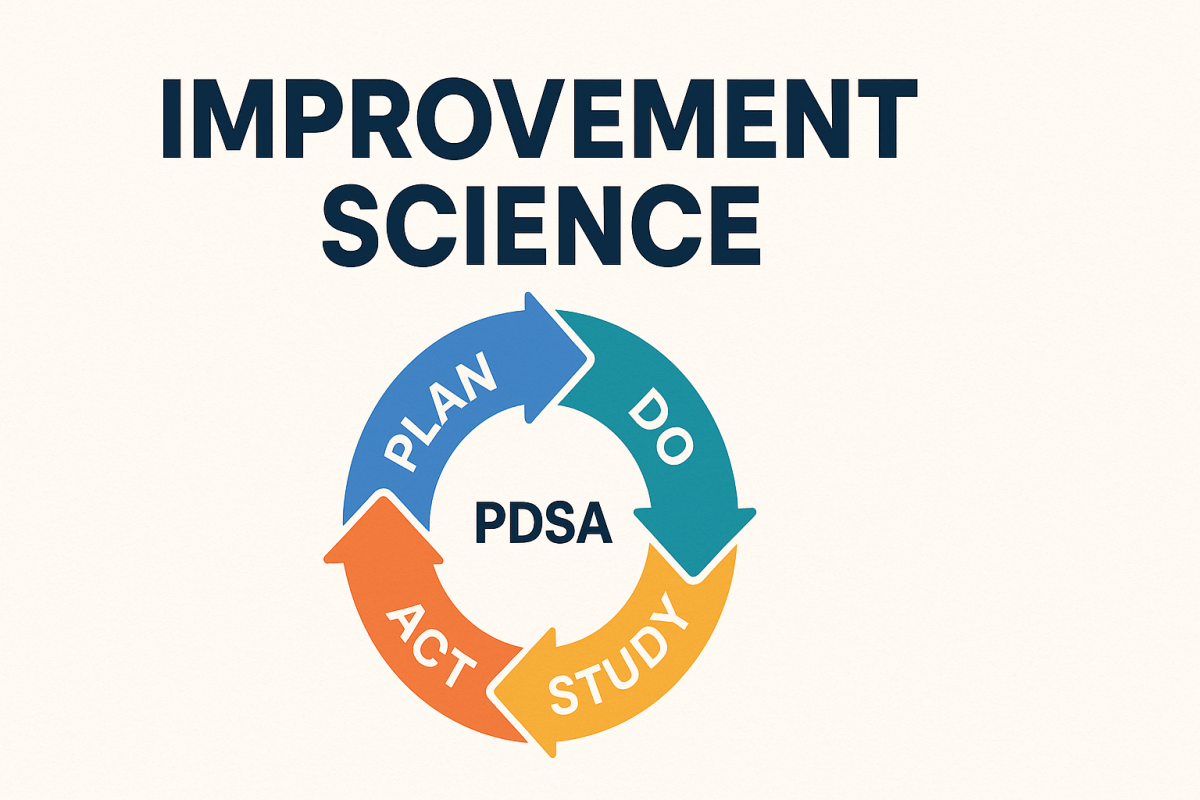
Improvement Science for Business Leaders: A Practical Playbook for Better, Faster Results

Most executives know Lean, Six Sigma, and Agile. Improvement science is the disciplined backbone behind those methods—a way to get measurable gains by learning quickly in the real world, not just in the boardroom. It’s been refined for decades in healthcare and education, but its core ideas translate cleanly to sales, operations, CX, finance, HR, and product. Here’s what it is—and how to start using it immediately.

Continue reading “Improvement Science for Business Leaders: A Practical Playbook for Better, Faster Results”

“Zero Copy” Doesn’t Mean “No Copies.” It Means “No Unmanaged Copies.”

The rallying cry of modern data platforms—Zero Copy—is revolutionary because it flips the default: don’t move data unless there’s a good reason and the platform manages it for you. In Microsoft Fabric, that starts with in-place access via OneLake Shortcuts and an open storage layer, then selectively uses managed and automated copies (like Mirroring and Materialized Lake Views) when they deliver clear value. The result is less sprawl, more trust, and faster analytics—without hand-built duplication. 

Continue reading ““Zero Copy” Doesn’t Mean “No Copies.” It Means “No Unmanaged Copies.””

A Lightweight Ingestion Framework in Microsoft Fabric

Modern Fabric estates don’t need a forest of bespoke pipelines, but they do need metadata-driven tools to reduce time to insight. You can land data quickly in Bronze, promote it reliably to Silver and Gold with a metadata‑driven Spark Structured Streaming engine, and treat Gold as the foundation for your data products—semantic models, AI endpoints, and any other served formats.

Continue reading “A Lightweight Ingestion Framework in Microsoft Fabric”

How AI Can Help High‑School Football Between Friday Night and Saturday Morning

The lights go out, the sideline file finishes uploading, and the play list—your record of the plays actually called—lands in the same folder. While everyone sleeps, AI could take those two inputs (plus your existing playbook in the system) and quietly do the digital chores, so Saturday starts with coaching, not clicking.

Continue reading “How AI Can Help High‑School Football Between Friday Night and Saturday Morning”

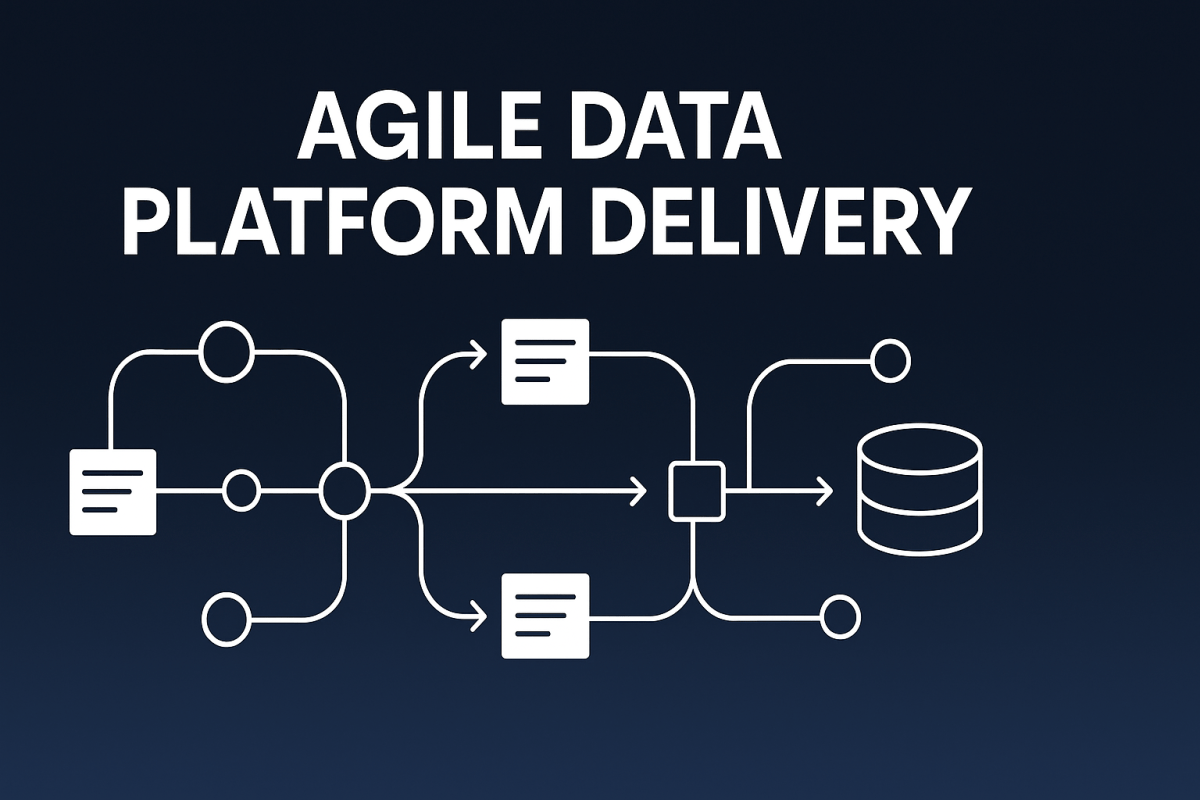
Managing Data Platform Projects the Agile Way—and Hitting Your Milestones


One of the things I’ve been thinking about lately a lot is how you formalize the type of project management that is necessary in data platforms, and what you need to do differently compared to software development projects. I brought in a collaborator, one of the best customer success managers I know, to talk about how to do this correctly.

Agile absolutely works for data platform projects, but you need a lightweight way to lock in critical choices without slowing teams down. Architectural Decision Records (ADRs) provide that spine: they capture why you chose a direction, what you rejected, and the consequences—so you can move fast and keep delivery predictable. Combine ADRs with vertical slices, data contracts, quality gates, and observable pipelines, and you can ship in short cycles while meeting real dates.

Continue reading “Managing Data Platform Projects the Agile Way—and Hitting Your Milestones”

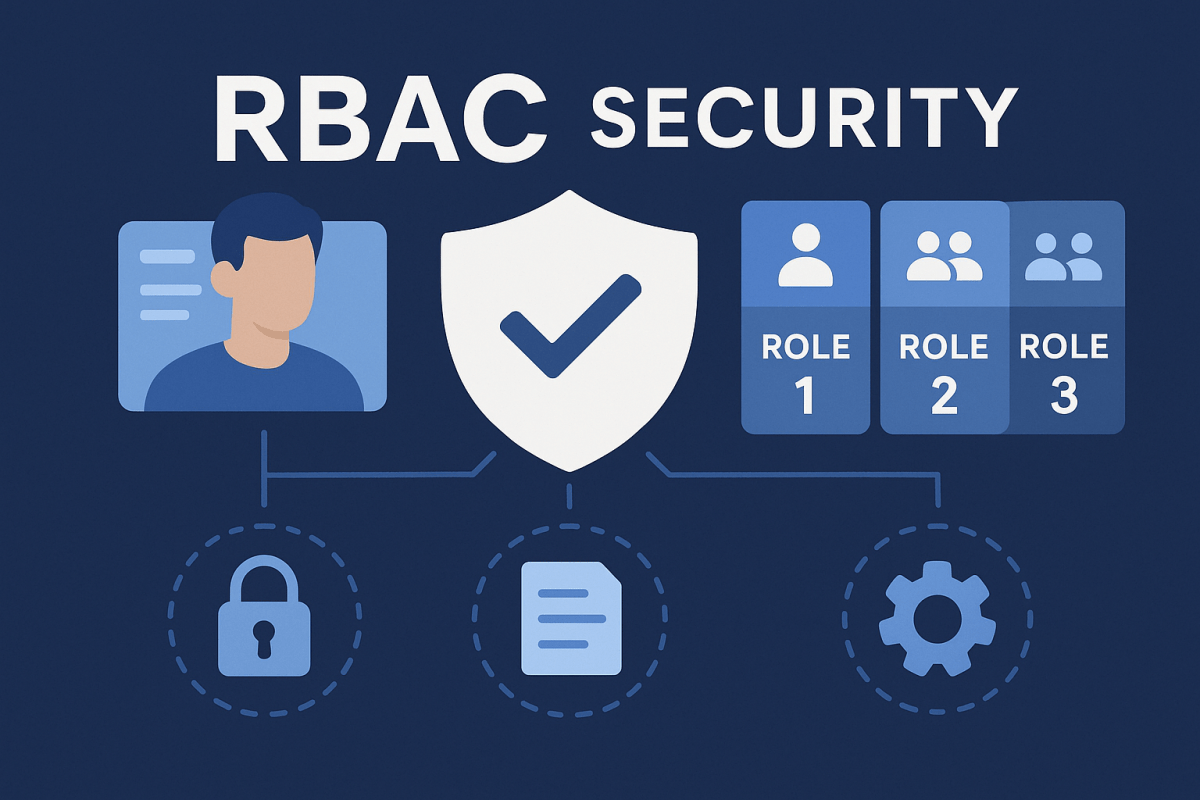
Secure at the Boundary: RBAC, Aggregator Groups, RLS—and what OneSecurity changes

Despite the different semantics, Microsoft Fabric actually uses the same principles as folder security. Fabric makes the security boundary explicit (the workspace) though, which actually makes role design easier, and lighter‑weight, than old folder ACLs.

Continue reading “Secure at the Boundary: RBAC, Aggregator Groups, RLS—and what OneSecurity changes”

Foundational and Derived Data Products: Practical Guidance for Architects and Data Leaders

As we discussed previously, a data product is a reusable, self‑contained package that bundles data, metadata, access methods, and governance to deliver a clear outcome to users or other systems. Treating data as a product implies product management disciplines (contracts, SLOs, versioning, observability) and an emphasis on discoverability, interoperability, and security. 

Within modern mesh-aligned architectures, data products must be interoperable and composable so they join predictably and can be assembled into higher‑order solutions. This is a first‑principles characteristic, not a nice‑to‑have. 

Continue reading “Foundational and Derived Data Products: Practical Guidance for Architects and Data Leaders”